

What Does This Budget Actually Pay For? Funding a Service Level, Not a Number

Association Management Team • 1 October 2026

Share this article

What a budget buys, beyond the total at the bottom

Cut the landscaping line by fifteen percent and nothing happens the next morning. The grass still gets cut. The irrigation still runs.

Six months later the beds look thin, the mulch is overdue, and three owners have asked the board why the property looks tired. Nobody connects it back to the budget workshop, because by then the workshop is a memory.

This is the gap Doug Jenkins’ third question is built to close.

What level of service and operations does this budget fund?

Money buys outcomes, not line items

Every number in an operating budget is really a decision about how often something happens and to what standard. Mowing frequency. Pool chemical checks. How quickly a work order gets a response. Whether preventive maintenance happens on a schedule or when something breaks.

Boards rarely discuss it in those terms. The conversation happens in dollars, and the service level changes quietly as a consequence.

That is a reasonable way to end up with a budget nobody can explain. The board approved a number. It did not decide to reduce inspections from quarterly to twice a year, but that is what the number bought.

The translation to ask for

Before you cut a line, ask what stops.

Not in general terms. Specifically. If the preventive maintenance line comes down by eight thousand dollars, which inspections come off the calendar? Which equipment goes from serviced to run until it fails?

A good manager can answer that in plain language, and the answer is what turns an abstract number into a decision the board is making on purpose.

Sometimes the honest answer is that nothing meaningful stops, and the line was padded. That is useful to know too.

Smaller communities feel it faster

In a community of a few hundred homes, a reduced service level shows up in weeks rather than quarters. There is less slack in the system. One deferred pump service becomes a failed pump, and the emergency repair costs more than the service would have.

This is the arithmetic that makes the lowest budget the wrong target. Doug put it plainly: a strong budget is not the lowest one you can approve. The strongest budget is the one the board can defend, which sometimes means a higher number with a clear reason behind it.

Put the service level in the minutes

When your board decides to fund a reduced level of service, say so in the record.

“The board reduced preventive maintenance by eight thousand dollars, moving HVAC servicing from quarterly to semiannual, understanding this increases the risk of mid-year failure.”

That sentence does three things. It tells future boards what was traded. That matters more in communities where board seats turn over or go unfilled. It tells owners the decision was deliberate. And it gives the board cover if the risk materializes, because the risk was named in advance rather than discovered afterwards.

Before your vote

The full session covers all five questions in thirty minutes and includes a worked example of a board facing an eleven percent preliminary increase.

We sponsored it because the boards we work with do better when the budget conversation is about what the community needs rather than what the total looks like.

Watch the recording: https://youtu.be/SqRdisKmOx8

If you want a straight answer on what your current budget is funding and where the slack really is, ask us. That is the kind of question we prefer to answer before the vote.

Recent Posts

by Association Management Team • 2 October 2026
Building a candidate pool before the notice goes out

by Association Management Team • 1 October 2026
What does your community budget actually pay for? Learn how boards can connect budget decisions to service levels, operations, maintenance, and risk.
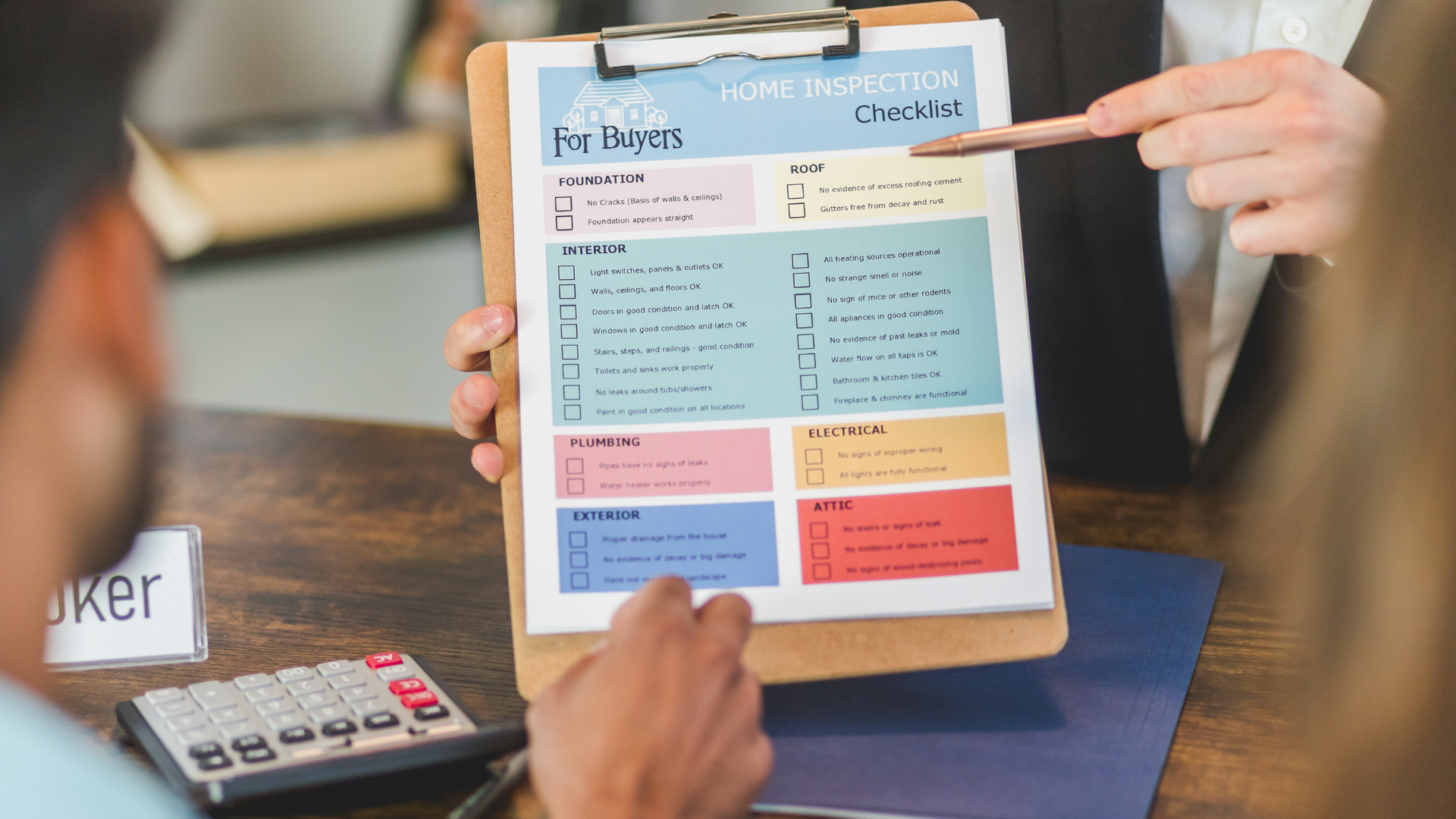
Person points to a colorful expense checklist on a clipboard beside a calculator on a desk
by Association Management Team • 22 September 2026
For condominium associations that can complete their SIRS alongside a milestone inspection due by December 2026, the deadline is more than a date. Boards should confirm that the required work is complete, documentation is in place, reporting has been handled, and the association is prepared for what comes next.

Hands sketching a blueprint with pencils on a desk, focused on design work
by Association Management Team • 22 September 2026
The SIRS gives a condominium board a roadmap for future repairs, replacements, and reserve needs. The next challenge is putting that information to work. Boards need to prioritize projects, adjust funding, coordinate vendors, and make sure recommendations become part of the community's ongoing maintenance plan.

by Association Management Team • 31 August 2026
Learn the practical principles that guide responsible board decisions, helping you balance homeowner interests, financial stewardship, and long-term community success.

by Association Management Team • 24 August 2026
Follow a structured post-disaster response plan that helps your board organize documentation, communicate with residents, and keep insurance claims moving efficiently.

by Association Management Team • 17 August 2026
Learn what recent legislative changes mean for everyday board operations and the practical governance habits that help communities stay prepared.

by Association Management Team • 10 August 2026
Understand how reserve funding decisions influence purchaser perceptions, financing opportunities, and the long-term financial health of your association.

by Association Management Team • 3 August 2026
Learn how structured vendor evaluation, documentation, and performance management can help boards reduce disputes and make confident contracting decisions.

by Association Management Team • 27 July 2026
Discover practical ways to reduce violations, improve resident cooperation, and help your board enforce community standards with greater consistency and fewer disputes.
Show More