Understanding Windstorm and Hurricane Deductibles
Most property insurance policies in Florida include a separate deductible for windstorm or hurricane losses. Unlike standard deductibles (which are often a flat dollar amount), these are typically calculated as a percentage of the insured value of the building or association property. For example, a 5% hurricane deductible on a $10 million building means the association must pay the first $500,000 of covered hurricane damage out of pocket before insurance kicks in.
Deductibles of this size are not unusual in today’s market. As insurance costs rise and carriers shift more risk to policyholders, boards must be proactive about understanding exactly what their deductible exposure is each year.
Evaluating Your Association’s Deductible Exposure
Start by reviewing your current insurance policy. Look for:
- The specific deductible percentage for windstorm or hurricane claims.
- Whether the deductible applies per building, per occurrence, or for the entire association.
- The insured value used to calculate the deductible.
It’s not enough to know the percentage. Calculate the actual dollar amount your association would owe if a major storm hit tomorrow. This number should be reviewed annually, especially as property values and insurance terms change.
If your association has multiple buildings, clarify whether the deductible applies to each building separately or to the property as a whole. This distinction can mean the difference between a manageable expense and a financial crisis.
Planning for Immediate Cash Needs After a Storm
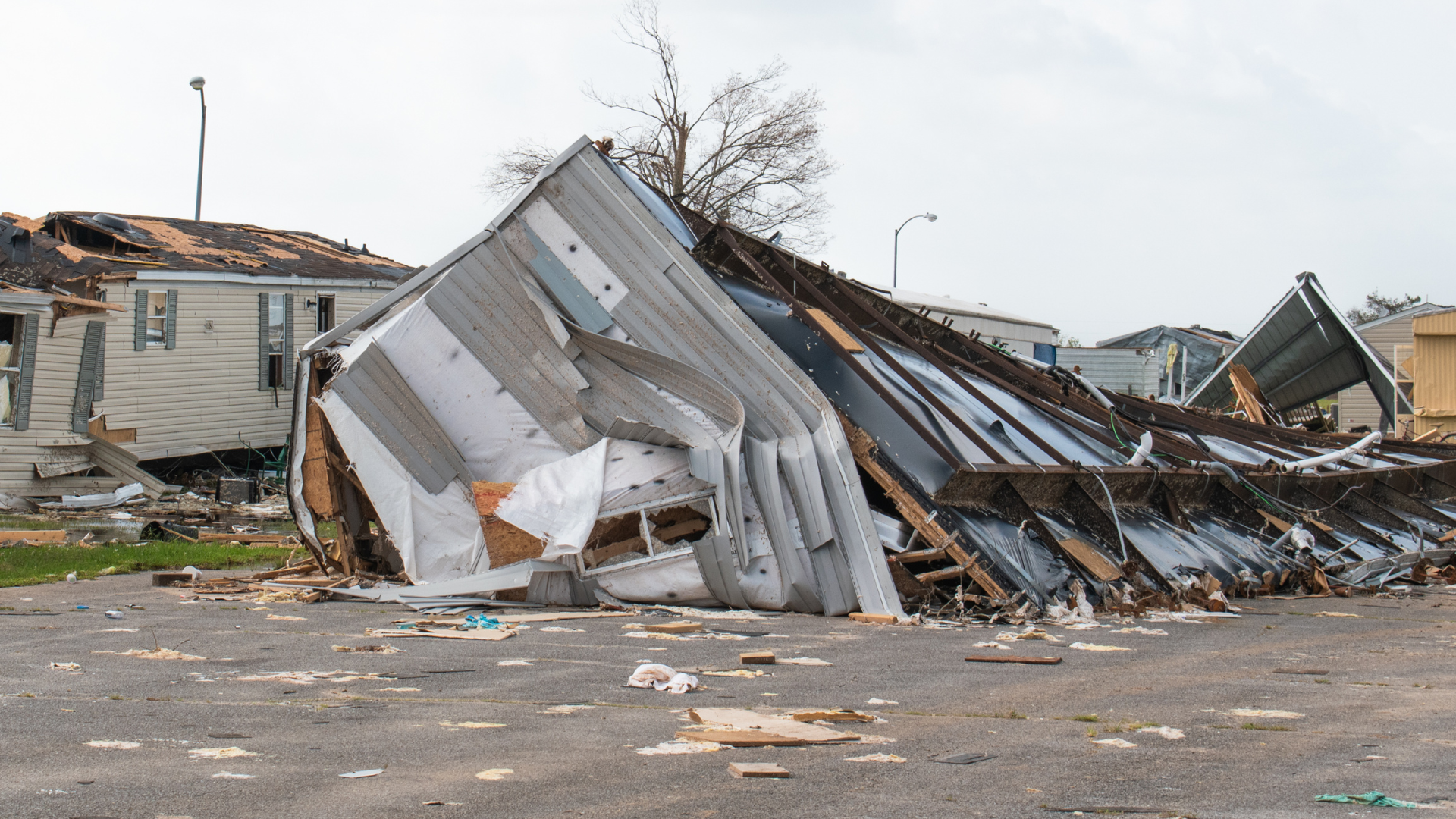
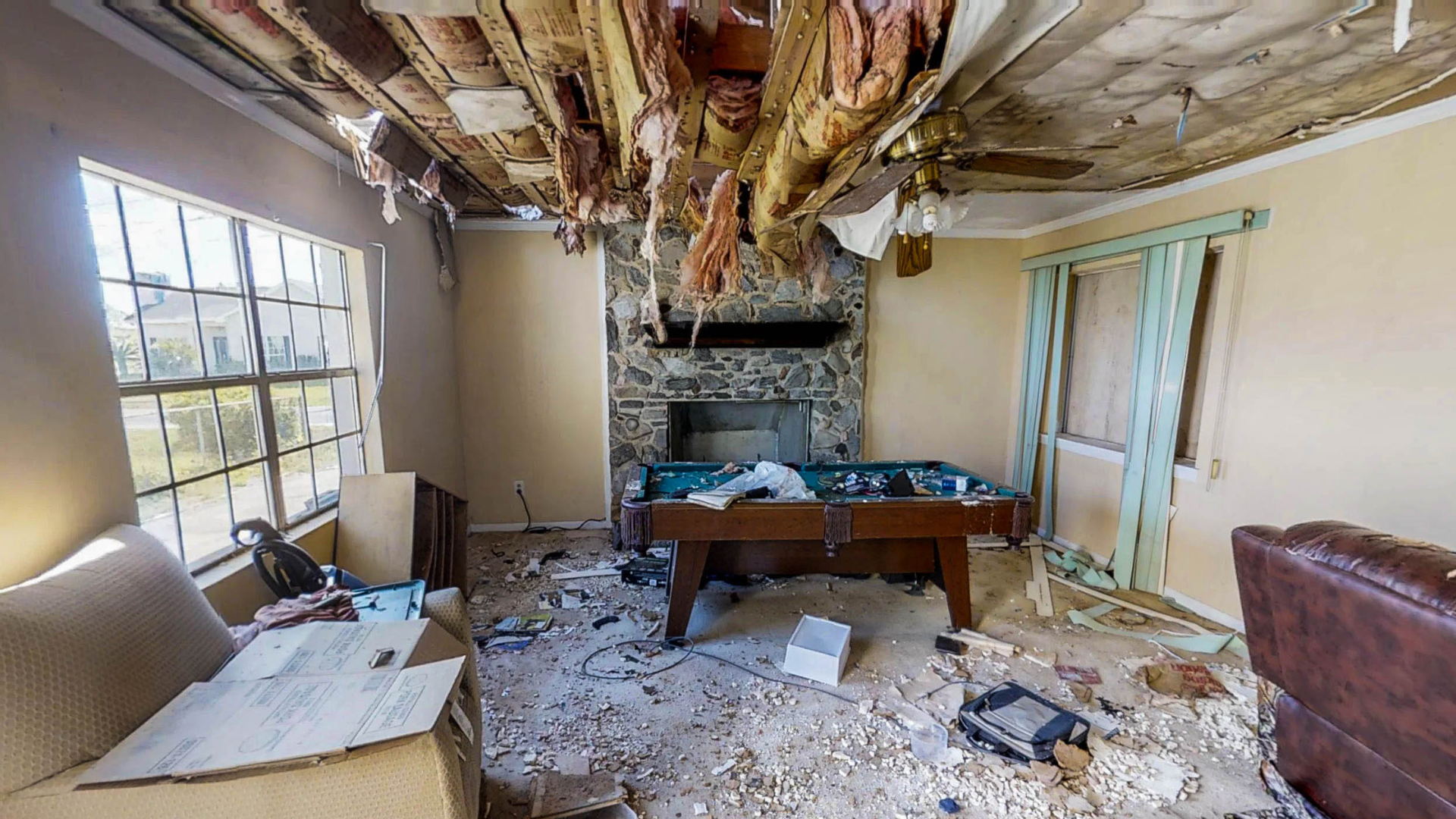
When a hurricane strikes, the board may need to pay the deductible quickly to begin repairs and restore habitability. Insurance proceeds will not be released until the deductible is satisfied. This means your association must have a plan for accessing significant funds on short notice.
Common strategies include:
- Maintaining a dedicated deductible fund (separate from reserves).
- Arranging a line of credit in advance with a local bank.
- Assessing owners for the deductible after a loss (which can be unpopular and difficult to collect quickly).
Each approach has pros and cons. A dedicated fund ties up cash that could be used elsewhere, but it guarantees immediate access. A line of credit provides flexibility but may not be available if the association’s finances are weak or if the broader market is disrupted after a major storm. Special assessments are often a last resort, as they can create hardship for owners and delay repairs.
Some associations also explore insurance products known as “deductible buy-down” policies, which can reduce the out-of-pocket deductible in exchange for a higher premium. However, these products may not be available in all markets and should be evaluated carefully with the help of a qualified insurance agent.
Emergency Reserves vs. Deductible Funds: What’s the Difference?
It’s a common misconception that reserve funds can always be used to pay insurance deductibles. In reality, Florida law and most governing documents restrict reserve funds to specific purposes—typically capital repairs and replacements (like roofs, painting, or paving). Using reserves for a deductible may require a membership vote or a formal reallocation.
Boards should clarify:
- What their governing documents and state law allow regarding reserve use.
- Whether a separate “deductible fund” is needed.
- The process for authorizing transfers or special assessments in an emergency.
Communicating Deductible Risks and Funding Plans to Owners
Owners are often surprised by the size of a hurricane deductible and may not realize that a special assessment could be required after a storm. Boards should communicate clearly—before hurricane season—about:
- The current deductible amount and how it is calculated.
- The board’s plan for funding the deductible if a claim is needed.
- The potential for special assessments or other emergency measures.
Transparency builds trust and helps owners prepare for the financial realities of living in a hurricane-prone area. Consider including deductible information in annual budget mailings, town hall meetings, and hurricane preparedness communications.
Best Practices for Boards: Staying Ahead of the Storm
To avoid confusion and panic after a hurricane, boards should:
- Review insurance policies and deductible amounts before renewal, not after.
- Build a “claims-ready” document folder with all necessary records.
- Standardize what triggers a claim versus a repair.
- Prepare a deductible strategy in advance and document it in board minutes.
- Keep communication neutral and factual, not emotional.
- Update procedures before hurricane season each year.
It’s also wise to consult with your association’s attorney and insurance agent annually to ensure your deductible plan complies with current laws and best practices.