


After a Major Property Loss: Managing Repairs While Awaiting Insurance Funds

Association Management Team • 28 October 2026

Share this article

Immediate steps: Safety, stabilization, and documentation 

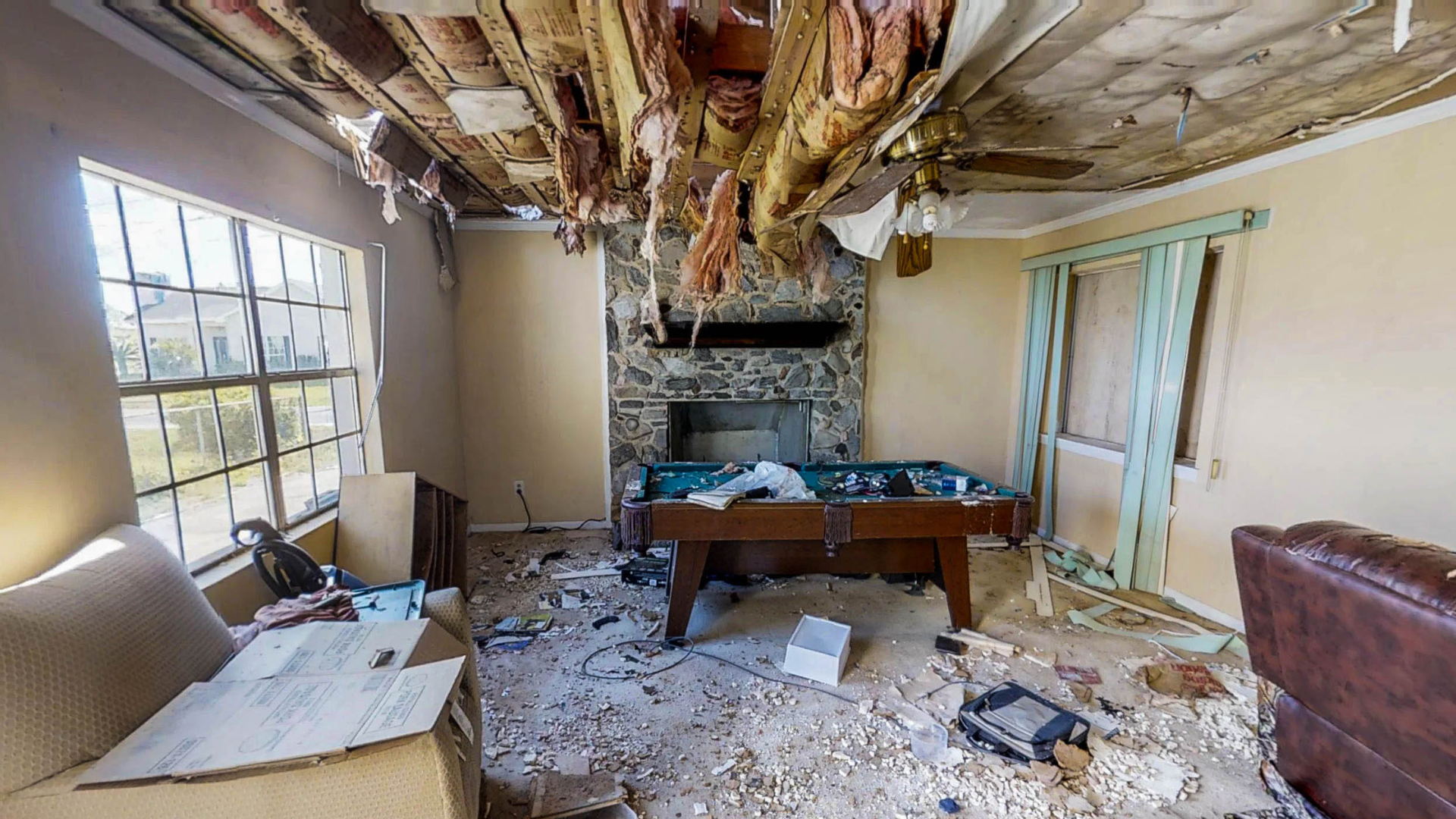
When disaster strikes—whether from a hurricane, fire, or flood—the board’s first responsibility is to ensure the safety of residents and secure the property. Before any repairs begin, document all visible damage thoroughly. Take photos and videos of affected areas, damaged personal property, and any hazards. This documentation will be essential for your insurance claim and for tracking the scope of repairs.   

Contact your insurance provider as soon as possible. Most policies require “timely notice” after a casualty event, so do not delay. Even if you are still assessing the full extent of the damage, initiate the claim process and request guidance from your carrier on next steps. Your insurer may send an adjuster or request additional documentation. Cooperate fully and keep records of all communications. 

While waiting for the insurer’s approval, take reasonable steps to prevent further damage. This may include boarding up windows, placing tarps on roofs, or removing standing water. Always document these emergency measures and keep receipts, as many policies will reimburse reasonable mitigation expenses.   

[BEGIN SUPPLEMENT — The following content is not sourced from the CA grounded library]
If the property is unsafe, restrict access and post clear signage. Notify local authorities if required, and coordinate with emergency services as needed.
[END SUPPLEMENT]

Coordinating with contractors and insurance professionals 

Once the immediate crisis is under control, the board should begin sourcing qualified contractors for both emergency stabilization and long-term repairs. Check references and verify licensing before hiring any vendor. Unscrupulous contractors often appear after disasters, so due diligence is critical. 

Work closely with your insurance adjuster and any engineers or consultants assigned to your claim. The insurer may require site inspections, repair records, and maintenance logs to determine the scope of covered damage. Provide access and documentation promptly, and keep a log of all requests and responses. 

[BEGIN SUPPLEMENT]
Consider engaging a public adjuster or legal counsel if the claim is complex or if you encounter disputes with the carrier. These professionals can help advocate for the association’s interests and ensure that all eligible damages are included in the claim.
[END SUPPLEMENT] 


Managing repairs and monitoring spending before funds arrive 

One of the most challenging aspects of post-loss recovery is managing repairs before insurance funds are disbursed. Many associations must begin critical work—such as water removal, mold remediation, or structural stabilization—immediately, even though reimbursement may take weeks or months. 

Track all claim-related spending meticulously. Create a dedicated folder or digital file for invoices, receipts, contracts, and correspondence related to the loss. This “claims-ready” documentation will be invaluable for both the insurance process and for future audits. 

[BEGIN SUPPLEMENT]
If the association’s reserves are insufficient to cover upfront costs, the board may need to consider temporary financing options. Lines of credit, bank loans, or special assessments can provide the liquidity needed to keep repairs moving. Consult with your association’s attorney and CPA before committing to any financing arrangement, and communicate transparently with owners about the reasons and repayment plans.
[END SUPPLEMENT] 


Communication: Keeping residents informed and engaged 

Clear, consistent communication is essential during the recovery process. Residents will have questions about safety, timelines, insurance coverage, and financial impacts. Use multiple channels—email, community websites, posted notices, and meetings—to keep everyone updated on progress and next steps. 

Share updates on the status of insurance claims, anticipated repair schedules, and any changes to access or amenities. If temporary relocation is necessary, provide resources and support for affected residents. Document all communications for future reference. 

[BEGIN SUPPLEMENT]
Consider designating a board liaison or forming a recovery committee to centralize questions and feedback. This can help reduce confusion and ensure that information is accurate and timely.
[END SUPPLEMENT] 


Evaluating lessons learned and strengthening future resilience 

Once repairs are underway and insurance funds begin to arrive, take time to review the association’s response. What worked well? Where were the bottlenecks? Use this experience to update your disaster response plan, vendor lists, and insurance documentation procedures.   

Schedule a post-mortem meeting with your management company, insurance agent, and key vendors to identify improvements for the future. Update emergency protocols, communication templates, and financial contingency plans based on what you learned. 

[BEGIN SUPPLEMENT]
Consider offering board training on disaster response and insurance claims management. Proactive education can help future boards respond more confidently and efficiently when the next crisis arises.
[END SUPPLEMENT]

Practical takeaway


Major property losses test the resilience and resourcefulness of any condo association board. By acting quickly to document damage, coordinating with professionals, tracking expenses, and communicating openly with residents, your board can keep repairs moving—even before insurance funds arrive. If your association is facing a complex recovery, Condominium Associates’ team can help guide you through the process and connect you with trusted resources.

Recent Posts

Business meeting around a conference table, with a presenter speaking at the front and a chart on sc
29 October 2026
The August 2026 Board Governance Review covers Florida condo and HOA membership meetings: notice, quorum, voting, video conference rules and common pitfalls.
Board Governance Review Legislative Supplement, September 2026 cover: DBPR Administrative Updates ov
29 October 2026
The September 2026 Legislative Supplement covers Florida's final DBPR education rules for condo (61B-19.001) and HOA (61B-19.004) board directors.

by Association Management Team • 28 October 2026
Discover how boards can reinforce clear delegation, coordinate with property management, correct misunderstandings, and maintain professional working relationships while keeping decisions aligned with established governance practices.

by Association Management Team • 28 October 2026
Learn how directors can use healthy debate to improve decision-making, recognize when differences become personal conflict, avoid faction-building, and maintain a professional approach that supports the association's long-term interests.

by Association Management Team • 28 October 2026
Discover how boards can evaluate deductible exposure, plan for immediate cash needs, understand the difference between emergency reserves and funds available for deductibles, and prepare owners for the potential financial consequences of a claim.
October 2026 Board Governance Review cover: a poster-style owner pointing out while holding agenda,
28 October 2026
The October 2026 Board Governance Review covers Florida condo and HOA elections, board service, owner election checklists, and first steps for new directors.

Man in a blue shirt and name badge talking with colleagues outdoors
28 October 2026
The September 2026 Board Governance Review: Florida bid thresholds, contract authority, vendor selection and payment safeguards for HOA and condo boards.

by Association Management Team • 21 October 2026
For condo associations in Southwest Florida, insurance renewal requires careful attention to property values, deductibles, coverage limits, and changing risks. Learn which questions boards should raise with their insurance professionals to make informed renewal decisions and better prepare for potential expenses.
by Association Management Team • 21 October 2026
A gap between reserve study recommendations and the approved budget can create challenges for condo boards. Learn how to assess funding needs, plan for major repairs, and evaluate financial options that support the association's long-term stability without immediately resorting to a special assessment.

Person writing in a notebook at a desk, drafting a candidate statement for a condo or HOA board elec
by Association Management Team • 13 October 2026
A good board candidate statement explains why you want to serve and how you will work with others. What to include, what to avoid, and Florida deadlines.
Show More