Immediate steps: Safety, assessment, and documentation
The first hours and days after a storm are critical. Before anything else, confirm that residents are safe and that emergency services have been contacted if needed. Once it’s safe to access the property, the board’s focus should shift to assessing damage and documenting everything thoroughly.
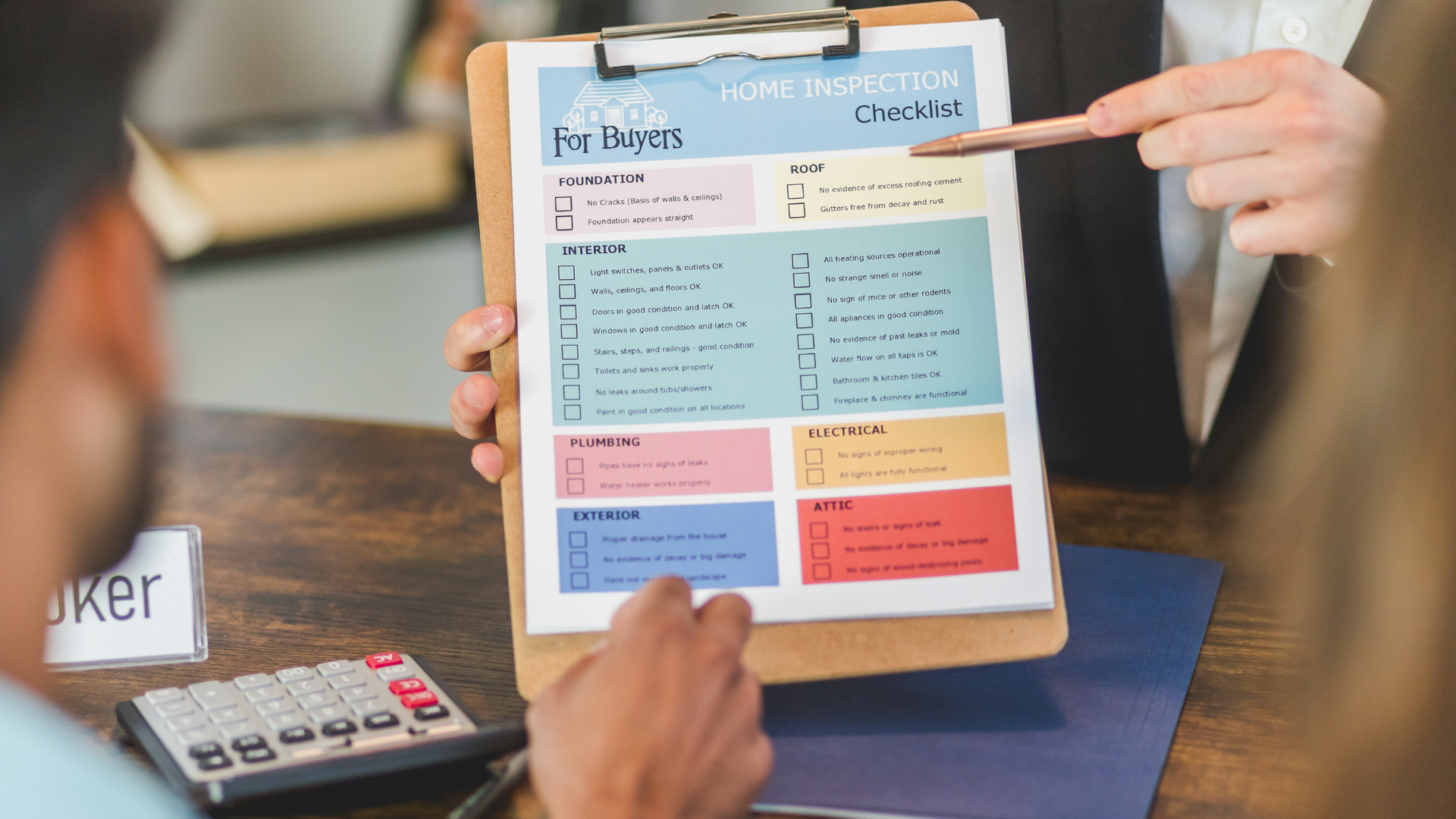
- Conduct a professional inspection: Arrange for a qualified engineer, contractor, or construction professional to inspect the property. Their report will be the foundation of your insurance claim. Even if damage seems minor, hidden issues can surface months or years later.
- Document all damage: Take clear photos and videos of every affected area—roofs, windows, common areas, and individual units if possible. Save all receipts for emergency repairs, supplies, and cleanup costs. This documentation is essential for both insurance and FEMA claims.
- Secure the property: Board up windows, place tarps on roofs, and take steps to prevent further damage. Insurers expect boards to mitigate losses, not wait for adjusters before acting.
Notifying your insurance carrier and starting the claim
Don’t wait to file. Most policies require “timely notice” after a casualty event. Notify your insurance agent or carrier as soon as possible—even if you’re still gathering details. Provide a preliminary description of the damage and let them know a formal report will follow.
- Carrier investigation: After you file, expect the insurer to send adjusters and experts to inspect the property. They may request access to common areas and individual units, so coordinate with residents for entry.
- Document requests: The insurer will likely ask for repair records, maintenance logs, meeting minutes, and financial statements. These help establish what damage is new versus pre-existing and clarify coverage issues.
- Cooperate fully: The policy requires the board’s cooperation throughout the investigation. This includes providing documents, answering questions, and possibly giving sworn statements.
Organizing your board’s claim documentation
A “claims-ready” document folder is your best defense against delays and denials. Before hurricane season, standardize what your board collects and how it’s stored. After a storm, update the folder with:
- Inspection reports and photos
- Receipts for emergency repairs and cleanup
- Copies of all correspondence with the insurer
- Board meeting minutes related to the event
- Vendor contracts and warranties
- Insurance policy documents and endorsements
Consider using a secure cloud storage solution so documents are accessible even if the office is damaged or inaccessible. Assign one board member or manager as the point person for all claim-related communications to avoid confusion and duplication.
Communicating with residents: Transparency and updates
Residents want to know what’s happening—and what to expect. Keep communication lines open, even if power or internet is down. Use a mix of digital updates, physical notices, and phone trees to reach everyone.
- Share the plan: Let residents know the steps the board is taking, from inspections to insurance filings to cleanup schedules.
- Provide resources: Distribute information about FEMA aid, local shelters, and utility contacts. For residents with special needs, highlight the Municipal Vulnerable Persons registry.
- Set expectations: Be honest about timelines and possible delays. If certain amenities or services will be unavailable, communicate this early and often.
Managing vendors and cleanup
Before hurricane season, clarify expectations with your vendors—landscapers, restoration companies, and security. After a storm, confirm which vendors are available and when they can begin work. Document all vendor communications and keep receipts for every expense.
- Coordinate debris removal: Work with your management company and local authorities to prioritize safety hazards and restore access.
- Monitor for hazards: Watch for contaminated water, downed power lines, and unstable structures. Don’t allow residents to re-enter unsafe areas until cleared by professionals.
Keeping the claim moving: Follow up and avoid common pitfalls
Insurance claims can stall for many reasons—missing documentation, unclear communication, or disputes over coverage. Stay proactive:
- Track all communications: Keep a log of every call, email, and letter with the insurer and adjusters.
- Respond promptly: Don’t let requests for information sit unanswered. Delays can give insurers grounds to deny or reduce claims.
- Stay neutral: Keep communications factual and unemotional. Avoid making statements that could be interpreted as admitting fault or waiving rights.
If you hit a roadblock or receive a denial, consult with your association’s attorney or a public adjuster experienced in community association claims. Don’t accept a settlement or denial without a full review.
Planning for the next storm: Lessons learned
Once the immediate crisis has passed and the claim is resolved, review what worked and what didn’t. Update your emergency plan, vendor lists, and documentation procedures. Schedule a post-mortem meeting to capture lessons learned and assign follow-up tasks.
- Annual policy review: Before the next renewal, review your insurance coverage, deductibles, and exclusions. Track prior claims and how they affect your premiums and renewals.
- Update procedures: Refine your board’s response plan based on real-world experience. The more you prepare now, the smoother the next recovery will be.