Why pickleball is taking over
community amenities
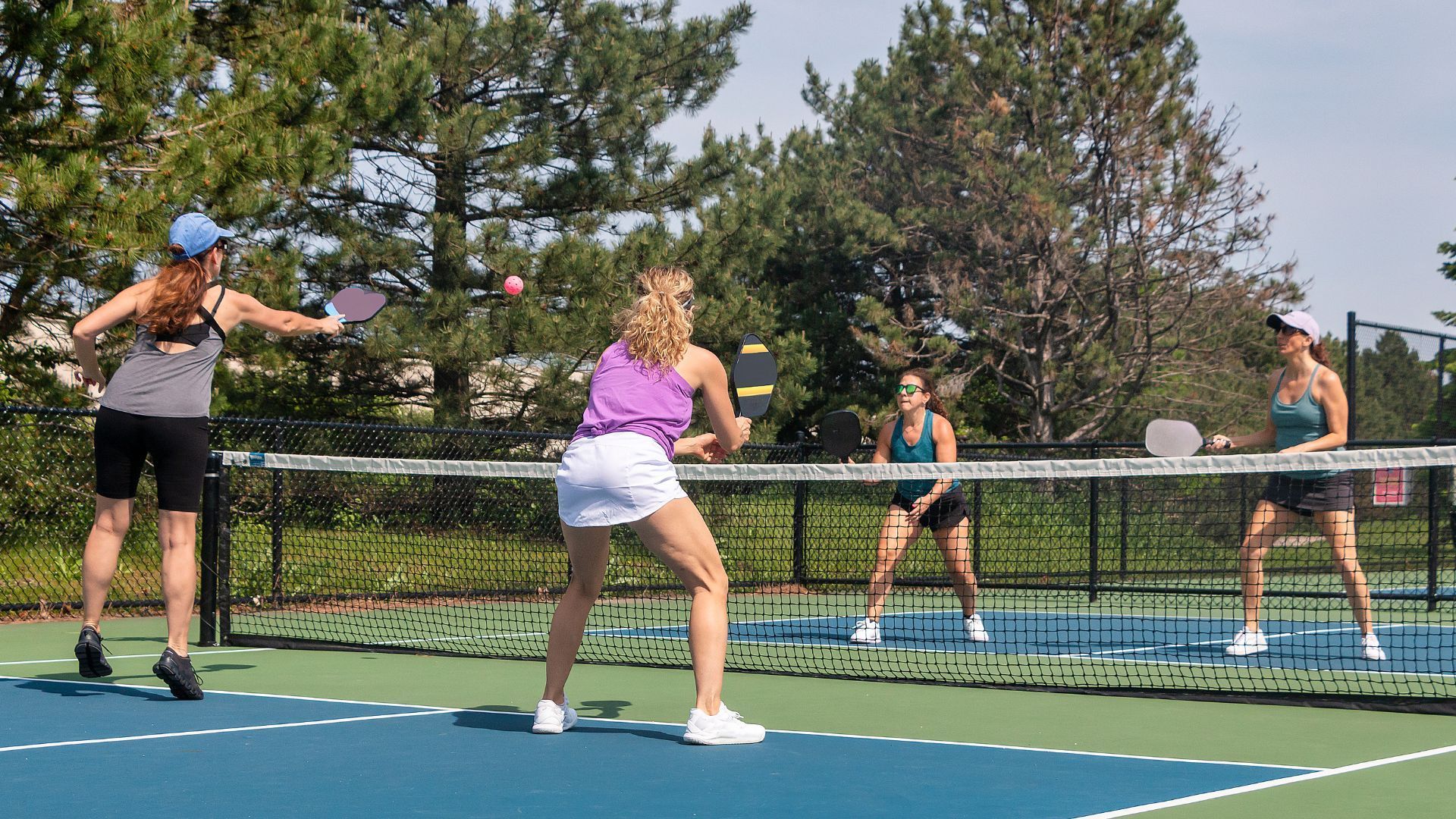
Pickleball’s appeal is simple: it’s easy to learn, inexpensive, and accessible for all ages and abilities. Many associations have embraced the sport, converting tennis courts or building new ones to meet demand. For some communities, adding pickleball has even boosted property values and attracted new buyers or renters looking for active amenities.
But the same features that make pickleball popular—its social nature, fast pace, and distinctive sound—can also create friction. The “pop” of the wiffleball on the paddle is louder than many expect, and as play intensifies, so do the noise levels. Residents living near courts are often the first to complain, and some associations have even faced lawsuits over persistent disturbances.
The noise dilemma: balancing fun and peace
Noise is the top complaint boards hear about pickleball. The sound of play can rival or exceed that of tennis, especially when games run into early mornings or late evenings. Boards are under pressure to find solutions that respect both the players’ enthusiasm and the neighbors’ right to quiet enjoyment.
Some associations have responded by hiring consultants to install noise-muffling materials or soundproofing barriers around courts. Others have set strict playing hours—limiting games to certain times of day to minimize disruption. These steps can help, but they also require clear communication and buy-in from both sides.
In some cases, boards have experimented with quieter paddles or balls, or even relocated courts farther from residential buildings. While these solutions can reduce noise, they may not eliminate it entirely. Boards should be prepared for ongoing dialogue and occasional compromise as the community adapts.
Court access: keeping it fair for everyone
With demand for pickleball courts at an all-time high, scheduling and access have become flashpoints. Boards need to ensure that all residents have a fair shot at court time, not just the most vocal or organized groups.
Best practices include:
- Requiring advance reservations for court use, with clear time limits per session.
- Assigning specific days or hours for different groups (beginners, advanced players, open play).
- Enforcing guest policies—limiting the number of non-residents or guests per household.
- Using key or lock enclosures to control access and prevent unauthorized play.
These rules help prevent monopolization and keep the amenity available to the whole community. Boards should review and update their amenity policies regularly to reflect changing demand and resident feedback.
Safety, accessibility, and legal considerations
Building or converting courts isn’t just about pouring concrete and painting lines. Boards must consider safety, accessibility, and compliance with federal laws like the Fair Housing Act (FHA) and Americans with Disabilities Act (ADA). Proper lighting, fencing, and ventilation are essential for safe play, especially in Florida’s heat. Courts should be accessible to residents with mobility challenges, and boards should consult legal counsel or their management company to ensure compliance.
Cost is another factor. Converting a tennis court to pickleball can run from $3,000 to $10,000 or more, depending on the scope of work and the condition of existing facilities. Boards should weigh these expenses against resident demand and the potential for increased property values or community satisfaction.
Insurance is also a consideration. Boards should review their liability coverage and consult with their insurance agent to ensure that new or expanded pickleball facilities are properly covered. This can help protect the association from claims related to injuries or property damage.
Community engagement: the key to lasting harmony
No solution will satisfy everyone, but open communication goes a long way. Boards that actively engage both pickleball players and affected residents are more likely to find workable compromises. This might mean hosting town hall meetings, sending out surveys, or forming a committee to review amenity policies.
Encouraging residents to tidy up after play, report maintenance issues promptly, and respect posted rules helps maintain a positive atmosphere. Boards should also be transparent about how decisions are made and provide regular updates on any changes to court access or rules.
Practical takeaway
Pickleball isn’t going away, and neither are the challenges it brings. Boards that approach the issue with fairness, transparency, and a willingness to listen will be best positioned to keep the peace—and keep the courts busy for years to come. If your board is working through pickleball-related questions or needs help updating amenity policies, CA’s team can help with practical guidance and proven solutions.