




4 Tips to Avoid Being Sued as an Association Board Volunteer

Association Management Team • 15 June 2026

Share this article

Board service comes with real exposure — these four practical steps can dramatically reduce your personal legal risk.


Serving on your association’s board is a volunteer role, but the legal risks are real. Florida law expects board members to act with care, loyalty, and within the boundaries of their authority. Homeowners can and do sue boards — and sometimes individual directors — over everything from financial missteps to perceived unfairness. The good news: most lawsuits are preventable if you approach your role with diligence and a clear understanding of your responsibilities. Here’s how to protect yourself and your association.

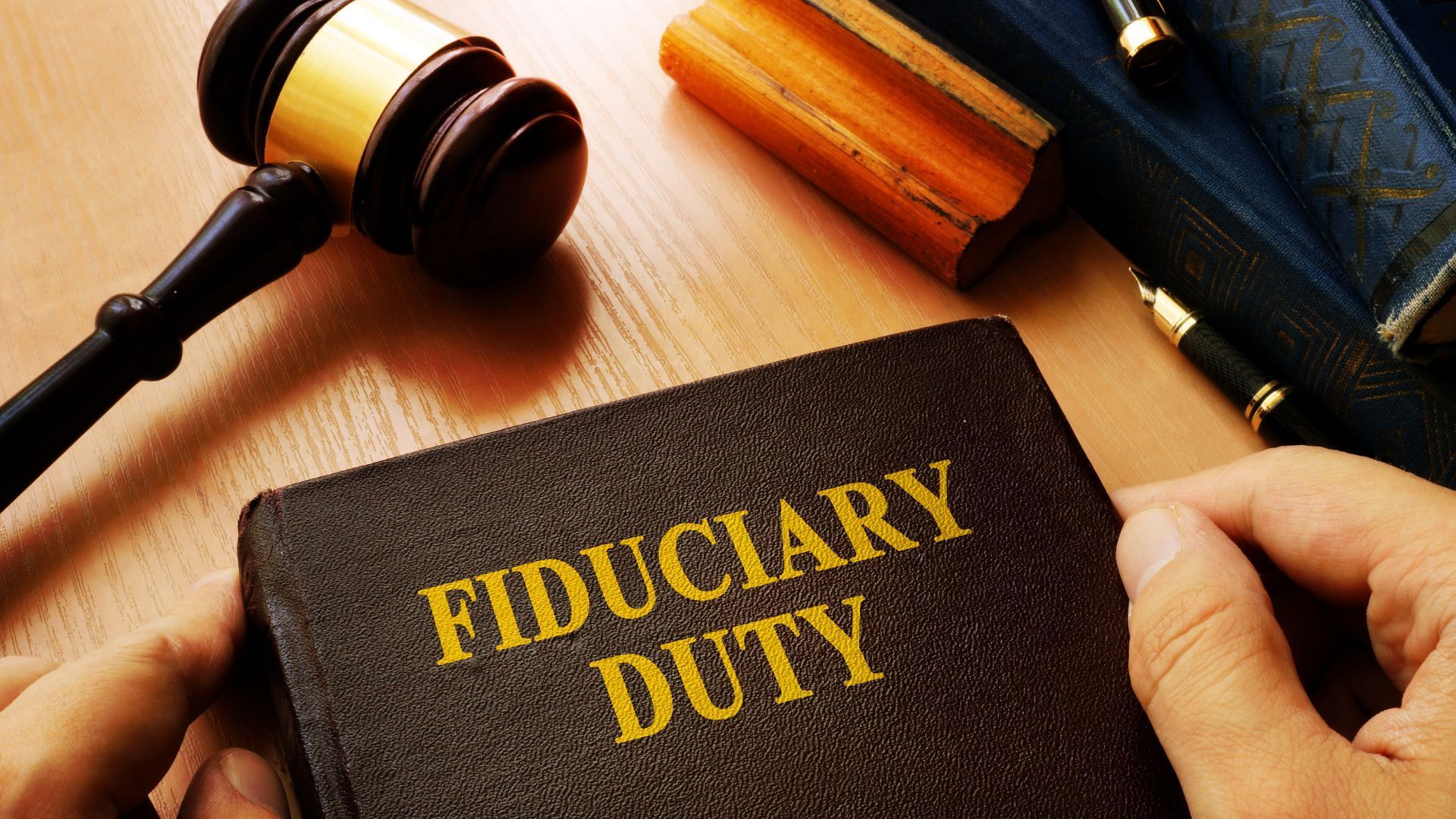
1. Understand and honor your fiduciary duty


Every board member owes a fiduciary duty to the association and its members. This means you must act in the best interests of the community, avoid conflicts of interest, and make decisions based on sound judgment and reliable information. Courts generally protect board members who act in good faith and within the scope of their authority, even if a decision turns out to be unpopular or mistaken. But if you act fraudulently, maliciously, or for personal gain, you can be held personally liable.


Practical steps:

  • Always disclose potential conflicts of interest before votes or decisions.
  • Recuse yourself from discussions or votes where you have a personal stake.
  • Document your decision-making process in meeting minutes, especially for major contracts or disputes.
  • Apply rules and covenants consistently to all residents, including yourself and fellow board members.


If you’re ever unsure whether a decision could cross a line, consult your association’s attorney or management company. It’s better to ask a “dumb” question than to defend a lawsuit later.


Remember, fiduciary duty isn’t just a legal phrase — it’s the foundation of trust between the board and your neighbors. When in doubt, transparency and fairness are your best defenses.

2. Follow proper meeting procedures and document everything


Many lawsuits stem from process errors, not just bad outcomes. Holding unapproved meetings, making decisions outside of noticed board sessions, or failing to keep accurate records can all open the door to legal challenges.


Practical steps:

  • Only make decisions at properly noticed board meetings, with minutes taken and records kept.
  • Avoid “side meetings” or email chains where a quorum of the board discusses association business outside of official meetings.
  • Track attendance and voting carefully, especially during elections or major decisions.
  • Keep association records organized and accessible for review by owners, as required by Florida law.


If your board is ever challenged in court, thorough documentation is your best evidence that you acted appropriately.


Consider using a secure digital platform for board communications and document storage. This makes it easier to retrieve records if a dispute arises.

3. Maintain appropriate insurance coverage


Even the most diligent board can be sued. That’s why most associations carry Directors & Officers (D&O) insurance, which covers legal expenses and protects board members’ personal assets in the event of a lawsuit. General liability insurance may cover some legal costs, but D&O is designed specifically for board actions. Crime and fidelity insurance can also protect the association if a board member commits fraud or theft.


Practical steps:

  • Review your association’s insurance policies annually with your management company or a licensed insurance agent.
  • Confirm that D&O coverage is current and adequate for your community’s size and risk profile.
  • Make sure all board members understand what is (and isn’t) covered by the association’s policies.


If you’re unsure about your coverage, ask your insurance agent to walk the board through the policy details. Don’t assume you’re protected — verify it.

4. Know when to seek professional advice


Board members are volunteers, not attorneys or accountants. There are times when the best way to avoid a lawsuit is to bring in an expert. This includes situations involving potential litigation, contract disputes, complex financial decisions, or changes to governing documents.


Practical steps:

  • Consult your association’s attorney before making decisions that could trigger legal action, such as denying an architectural request or imposing fines.
  • Use your management company as a resource for operational questions and vendor management.
  • Don’t rely on “how we’ve always done it” — laws and best practices change.


The cost of professional advice is almost always less than the cost of defending a lawsuit.


If your board is facing a contentious issue, consider scheduling a special meeting with your attorney present. This can help clarify the board’s options and demonstrate to owners that you’re taking the matter seriously.


Practical takeaway


Serving on your association’s board is a real responsibility, but it doesn’t have to be a legal minefield. By understanding your fiduciary duty, following proper procedures, maintaining insurance, and seeking expert advice when needed, you can dramatically reduce your risk of being sued. If your board is working through a challenging situation or wants to strengthen its practices, Moore’s team can help.

Recent Posts

101 For-Community Association
by Association Management Team 15 June 2026
Learn essential HOA/condo board member basics, from fiduciary duties and meetings to governing documents and best practices for new volunteers for onboarding.
Navigate the Egos on Your Association Board
by Association Management Team 15 June 2026
Learn how HOA and condo boards can manage strong personalities, reduce conflict, and build productive, respectful governance culture.
HOA & Condo Association Board Volunteer
by Association Management Team 15 June 2026
Practical dos and don’ts for HOA and condo board members to improve governance, avoid mistakes, and serve their communities effectively.
How to De-Escalate any Owner Dispute
by Association Management Team 15 June 2026
Learn how HOA and condo boards can de-escalate owner disputes using clear steps, calm communication, and structured conflict resolution processes.
Avoid Angering Owners in Your Next Association Board Meeting
by Association Management Team 15 June 2026
Five practical tips for HOA and condo board meetings to improve communication, reduce conflict, and keep owners informed, respected, and engaged.
by Association Management Team 22 May 2026
The new season is a great reason to make and keep resolutions. Whether it’s eating well or cleaning out the garage, here are some tips for making and keeping resolutions.
by Association Management Team 22 May 2026
There are so many good reasons to communicate with site visitors. Tell them about sales and new products or update them with tips and information.
by Association Management Team 22 May 2026
Write about something you know. If you don’t know much about a specific topic that will interest your readers, invite an expert to write about it.